The Attention Economy — How Much Your Focus Is Really Worth
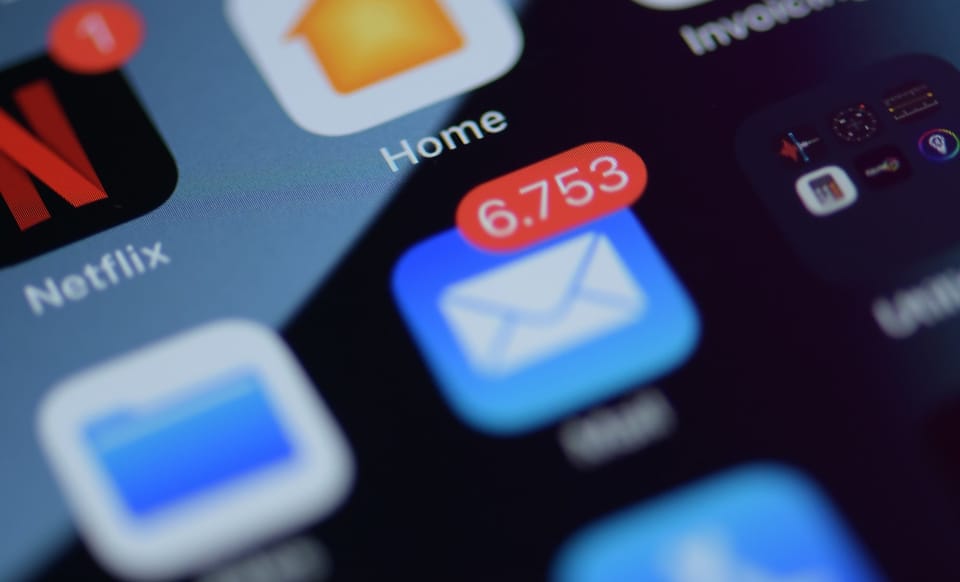
There’s a moment many people experience before they ever consider digital minimalism. It’s subtle, but familiar: you sit down to do one thing—just one—and suddenly twenty minutes disappear to notifications, a quick scroll, a headline, an email, a thought that pulled you somewhere else.
And afterward, you don’t feel entertained or restored. You feel scattered. A little drained. As if your attention wasn’t something you used but something that got quietly taken.
If that resonates, you’re not imagining it.You’re living inside the attention economy—where your focus is the product, and distraction is the business model.
For a minimalist—or even someone simply moving toward a calmer life—understanding this shift is essential. Because attention has become one of the rarest forms of clarity, and reclaiming it is now part of modern intentional living.
Why Our Attention Feels More Fragile Than Ever
For years, researchers have been studying how attention behaves in modern environments, especially digital ones. The findings repeat themselves, with different wording but the same conclusion: we are being interrupted far more often than the mind is built to handle.
Gloria Mark, PhD, whose work on attention spans is widely cited, found that modern workers switch tasks every 47 seconds on average—and take far longer to find their way back.
Another study on workplace behavior—Bored Mondays and Focused Afternoons—mapped the rhythm of attention across the day and week, showing how quickly distraction spreads through digital environments.
And then there’s context switching—the quiet productivity thief. Research shows that every time your attention jumps, you lose not just the moment, but a slice of cognitive energy. Interrupted work can cost as much as 6 hours per day in lost flow, depending on the environment.
This isn’t a personal flaw. It’s a design problem.
Modern platforms are built to fragment attention because fragmentation keeps you engaged longer than focus does.
Minimalism used to be about physical clutter. Now it also has to confront cognitive clutter.
The Real Cost of Distraction: What’s Being Taken From You
People often think the danger of distraction is simply lost time. But the cost is much larger, and more human:
- Difficulty entering deep work or meaningful flow
- Reduced creativity
- Higher stress from constant micro-decisions
- Shallow thinking replacing sustained reflection
- Emotional fatigue from switching contexts
- Interrupted memory consolidation
- A quieter sense of dissatisfaction that’s hard to describe
A study on workspace distractions found that even small interruptions reduce accuracy and increase frustration. The effect accumulates, shaping your days before you notice it shaping your life.
Minimalists often say, “My space feels noisy.” Now many add, “My mind feels noisy, too.”
How the Attention Economy Hijacks Focus
There are predictable patterns, almost formulas, behind attention hijacking:
1. Infinite refreshment loops
Scrolling is designed to have no natural stopping point. Your brain expects closure, but never receives it.
2. Variable rewards
Notifications mimic gambling psychology—your validation arrives at random intervals, making it harder to turn away.
3. The illusion of productivity
Opening fifteen tabs feels like progress but scatters direction.
4. Emotional triggers
Content built around urgency, outrage, or novelty gets more clicks—and therefore more visibility—than calm, thoughtful ideas.
5. Social comparison
Platforms amplify the feeling of being behind, which drives further scrolling.
Minimalists who understand physical clutter immediately recognize the pattern There is too much, arriving too fast, with too little room to breathe.
Where Minimalism Helps: Reclaiming Attention Through Less
Minimalism isn’t only about owning fewer things. It’s about reducing everything that pulls you away from the life you intended to live.
When applied to attention, minimalism becomes deeply practical.
Digital Minimalism: Your First Line of Defense
Some helpful starting points:
- Remove non-essential apps from the home screen - reduces automatic checking.
- Set intentional windows for email or messages - interruptions lose power when they’re expected.
- Use one device for one purpose when possible - blending work, entertainment, and communication on a single system creates mental overlap.
- Turn off non-human notifications - If a person didn’t send it, it probably isn’t essential.
- Introduce digital “quiet zones” - Even 30 minutes of uninterrupted focus strengthens cognitive stamina.
These aren’t rigid rules—they’re gentle boundaries. Minimalism works through subtraction, not pressure.
Physical Decluttering Also Quietly Supports Focus
People often underestimate this, but the research is consistent: physical chaos increases cognitive load.
In cluttered spaces, the brain must filter more visual information, leaving fewer resources for sustained concentration.
Essentialism and minimalism overlap here. A serene desk makes deep work easier. A tidy room reduces the noise the brain must ignore. A simple environment increases the sense of mental spaciousness.
Focus grows where friction shrinks.
Common Challenges (And How Minimalists Can Navigate Them)
1. FOMO (Fear of Missing Out)
Truth: 99% of notifications don’t require immediate attention. Minimalists remind themselves that presence matters more than updates.
2. Guilt about not responding instantly
Busyness culture rewards immediacy. Minimalism rewards intentionality. Both cannot lead your life at the same time.
3. Workplace environments that fragment attention
You may not control the culture, but you can control your workflow. Chunking tasks, clear priority lists, or even noise-cancelling headphones protect cognitive space.
4. Habit loops built over years
Distraction patterns didn’t appear overnight, and releasing them takes practice. Small shifts hold better than drastic ones.
A More Supportive Way to Think About Focus
Some people treat attention like a resource to force into obedience. Minimalists tend to approach it differently:
Attention is not something to push. It’s something to protect.
Which means:
- fewer incoming demands
- fewer switches
- fewer sources of noise
- a clearer environment
- a calmer internal state
When attention is no longer hunted by distractions, it naturally strengthens.
A Closing Reflection
The attention economy is powerful, but not absolute. And minimalism—digital and physical—creates rare pockets of quiet in a world that constantly pulls at you.
If you slowly remove what fractures your focus, you begin to rediscover something you may not have noticed slipping away:
The ability to be fully present with one thing at a time.
That presence becomes clarity. That clarity becomes intention. And intention, over time, becomes a way of living that feels steadier, calmer, and far more your own.

Comments ()