
The Introducing Minimalism Series: Part Three
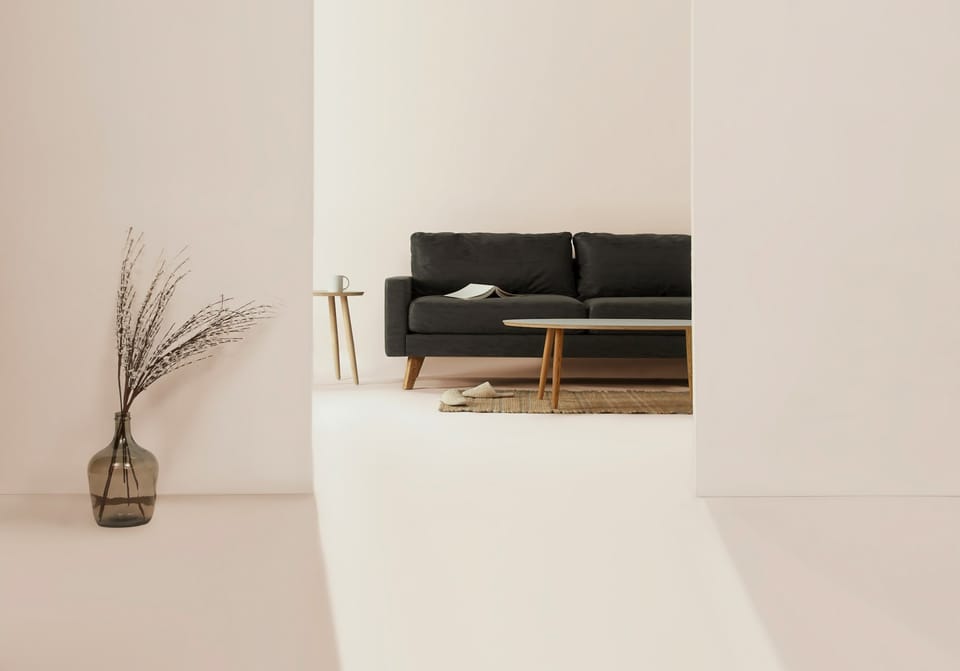
If practicing minimalism is like learning to breathe more slowly, then living minimally is what happens once that new rhythm begins to settle into your everyday life. There’s no single moment where someone officially becomes “a minimalist”—no badge, no finish line. It’s quieter than that. More gradual. Sometimes you only notice the shift in hindsight, when something that once felt heavy now feels strangely lighter.
And if you’re reading this as someone beginning the journey this part is about what happens after the first steps. After the drawers are cleared, after the space begins to open up. Because minimalism doesn’t end with decluttering. In many ways, that’s where it truly begins.
The Minimalist Lifestyle: Systems That Support, Not Restrict
Long-term minimalism isn’t about constantly organizing or policing your belongings. In fact, most people who sustain the practice eventually stop thinking about “decluttering” altogether. Instead, they create small systems that quietly maintain clarity in the background.
Not rigid systems—just ones that feel natural.
Regular Check-Ins
Some people do this every month, others only when life feels a bit too loud again. It can be as simple as standing in a room and asking:
Does this space still support me? Does anything feel out of place?
The goal isn’t perfection. It’s awareness.
A Gentle “In-Out” Rhythm
Over time, many minimalists naturally form an unspoken rule: when something new comes in, something old often goes out. It’s not strict. It’s not even thought about very much. It just becomes intuitive—an understanding of balance rather than control.
Pausing Before Decisions
One of the most supportive habits of long-term minimalism is something incredibly small: the pause. Before buying. Before committing to something. Before saying yes out of habit.
It’s a moment of intentionality, a breath that reminds you that choosing is always an option.
Mindful Consumption Going Forward
After the initial excitement of decluttering, there’s usually a quieter phase where people begin to notice the triggers that once led them toward overconsumption.
Sometimes it’s boredom. Sometimes comparison. Sometimes stress. Most of us were never taught to recognize these things, so they act beneath awareness until we start paying attention.
Understanding Triggers
You might notice patterns, like:
- Buying something when you feel emotionally drained
- Adding items to your cart at the end of a long workday
- Wanting something new after scrolling through curated spaces online
Minimalism doesn’t eliminate these feelings. It just creates room to see them clearly, and that clarity softens their pull.
Finding Fulfillment Beyond Acquiring Things
A surprising thing happens when you consume less—you begin to notice parts of your life that quietly bring satisfaction without requiring anything new. A peaceful morning. A hobby you abandoned years ago. A conversation that lingers in a meaningful way.
Many people discover that their identity expands when their possessions shrink—not because they lose things, but because they gain space to reconnect with themselves.
Minimalism in Different Life Stages
Minimalism is often misunderstood as a lifestyle best suited for people who live alone, or have large, simple spaces. But in reality, minimalism bends around the shape of your life, whatever that shape happens to be.
Moving or Relocating
Transitions often reveal how much we’ve accumulated. During moves, minimalism becomes less about aesthetics and more about practicality—choosing what deserves to come with you into the next chapter.
Having Children
This is one of the biggest worries newcomers express: Can you be a minimalist with kids? And the answer is yes—though it looks different. Children accumulate things because childhood itself is a season of exploration. Minimalism here becomes less about owning little and more about creating environments where attention, imagination, and emotional connection flourish.
Aging Parents
This stage brings emotional complexity. Often you inherit items with sentimental weight. Minimalism doesn’t tell you to discard them—it encourages compassionate decision-making. Keep what truly holds meaning. Release what holds you, rather than what you hold.
Career Changes
New roles and responsibilities sometimes demand new tools, routines, or even new priorities. Minimalism helps prevent these transitions from becoming identity clutter. It keeps your focus on what the change represents rather than the things that accompany it.
In every stage, the core remains the same: intentionality. A willingness to choose rather than drift.
The Deeper Rewards of Minimalism
Most people enter minimalism for surface-level reasons—less clutter, less stress. But the long-term rewards tend to go deeper, touching areas of life that may not seem connected at first.
Financial Clarity
Buying intentionally often means buying less. It’s not about austerity—it’s about awareness. Many minimalists report feeling more control, more freedom, and less anxiety connected to money.
Environmental Impact
Consuming less indirectly reduces waste and the demand for fast-made goods. It’s a quieter kind of sustainability, rooted not in guilt but in thoughtful choices.
Alignment With Personal Values
Minimalism naturally draws your life inward, toward what you genuinely care about. Creativity. Family. Health. Stillness. Meaningful work. Community.
These are not things you add—they emerge when the noise fades.
Intentional Living
Perhaps the deepest reward is simply this: life feels more deliberate. Days feel less automatic. You begin to sense the difference between what is essential and what is merely familiar.
Minimalism’s Limits and Criticisms
A balanced conversation about minimalism acknowledges its limitations. The philosophy is valuable, but it’s not flawless.
Acknowledging Privilege
Minimalism is easier to practice when your basic needs are met. Not everyone has the option to choose fewer possessions, and it’s important to recognize that.
The Danger of Performance
Minimalism becomes unhealthy when it turns into an identity to display—when the focus shifts from intention to appearance. A “perfectly empty home” doesn’t mean a peaceful mind.
Finding Balance
Some people declutter too quickly and feel regret later. Others become overly strict, removing things they genuinely need. Minimalism works best when it stays flexible—gentle enough to adapt but structured enough to support.
A Closing Thought for the Long Journey
Living minimally isn't about getting everything right. It isn’t about achieving a spotless space or following rules someone else wrote. It’s about returning to yourself—again and again—through small, intentional choices.
Some days you’ll feel aligned. Other days life will feel cluttered again. That’s okay.Minimalism is a practice, not a performance.
The goal is not to live with less.The goal is to live with more clarity, more presence, and more connection to what actually matters.
And if this practice continues gently, it becomes less about removing things… and more about making space for a life that feels like your own.


Comments ()